|
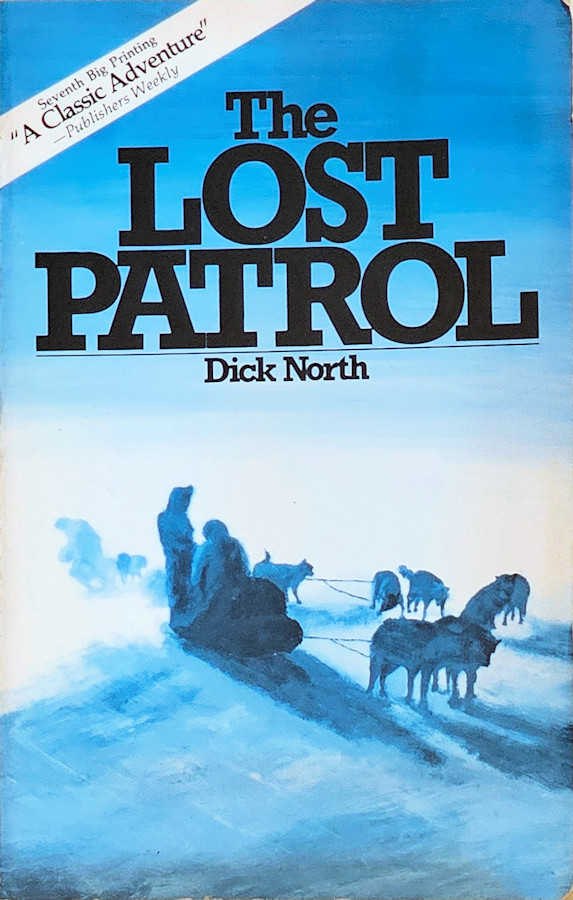
This is the historical non-fiction book written by journalist and author Dick North and first published in 1978, which purportedly gave rise to the song of the same name on
the album "The Crossing".
(Click thumbnails for full size images.) |
|
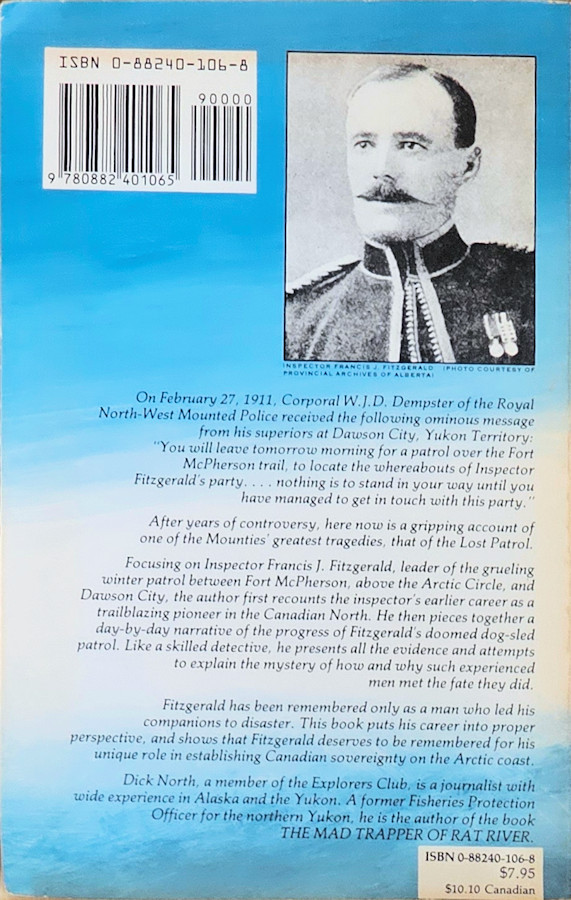
The book investigates the fatal, real-life journey of a four-man Royal North-West Mounted Police (RNWMP) patrol. Led by Inspector Francis Joseph Fitzgerald, the team set out in December 1910 from Fort McPherson,
Northwest Territories, heading toward Dawson City, Yukon. They became hopelessly lost in severe blizzards and sub-zero temperatures, running out of food and resources. All four members ultimately perished from
starvation and exposure before a relief team - led by Corporal William Dempster - discovered their remains. Dick North utilizes diaries, official records, and interviews to piece together their final days and analyze
the systemic failures that led to the disaster.
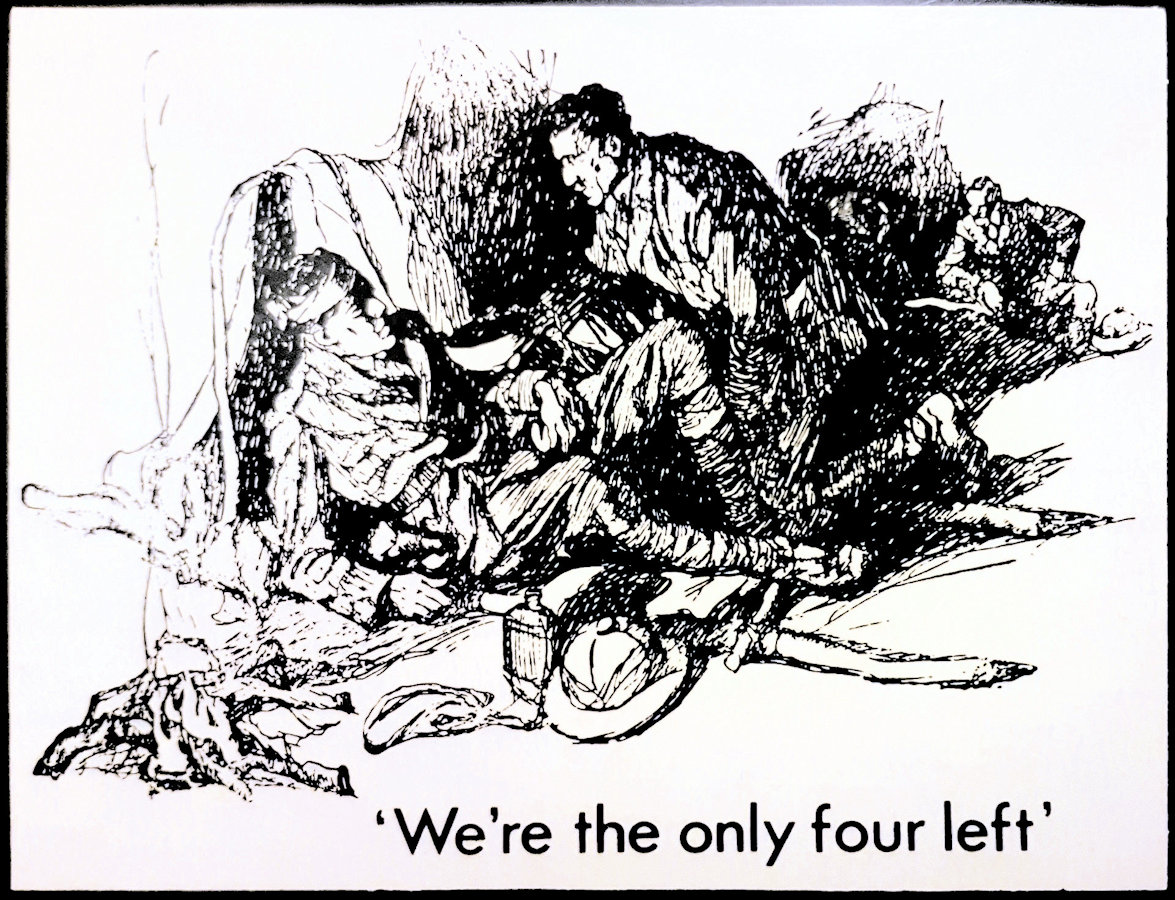
While Stuart originally drafted the lyrics during his time with his previous punk band, The Skids, he adapted the concept for Big Country's 1983 debut album, "The Crossing". The connection blends specific geographical nods with broader existential themes. Key Links and Shared Themes Geographical and Landscape References: The book details how the ill-fated winter patrol lost their way and perished near the confluence of the Snake and Peel Rivers. Adamson leans directly into this geography in the song's opening lines: "We lay the night in anguish, snakes drawn out by the tide..." The "Compass" Motif: The central tragedy of the real-life patrol was their inability to navigate the blinding Arctic terrain after losing their trail. In the song, Adamson writes: "The compass of decision / Falls always on one side..." This directly echoes the real-world navigation failure, while also mirroring the artwork of The Crossing album, which features a prominent compass design. The Pointlessness of Military / State Actions: Dick North’s book explores a tragedy born out of rigid, bureaucratic duty—men pushing into deadly conditions simply to deliver winter mail. The song captures this bleakness, framing the patrol as a grim march stripped of glory: "We save no souls / We break no promises / We can do nothing more than move on headlong through the gloom..." Self-Mythologising: Music historians point out that while the song is anchored by the book's narrative, Adamson also used the "Lost Patrol" concept as a metaphor for the band itself. He framed Big Country as a tight-knit "gang" or platoon navigating a hostile music industry—marching onward despite knowing the odds were stacked against them. I have a suspicion that this book may have been the source or inspriation for the text "We're the only four left" on the image on the back of the "Chance" single (even though the picture doesn't appear to relate to it). Please let me know if you have any information or theories about this! |