|
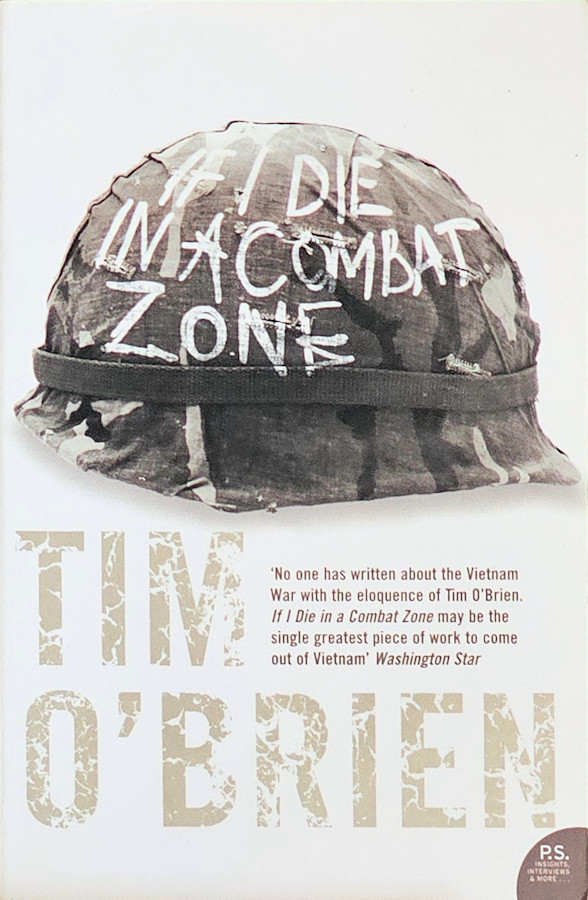
This is the autobiographical memoir written by acclaimed American author Tim O'Brien and first published in 1973, which purportedly gave rise to the lyric in the song
"Where The Rose Is Sown" on the album "Steeltown".
(Click thumbnails for full size images) |
|
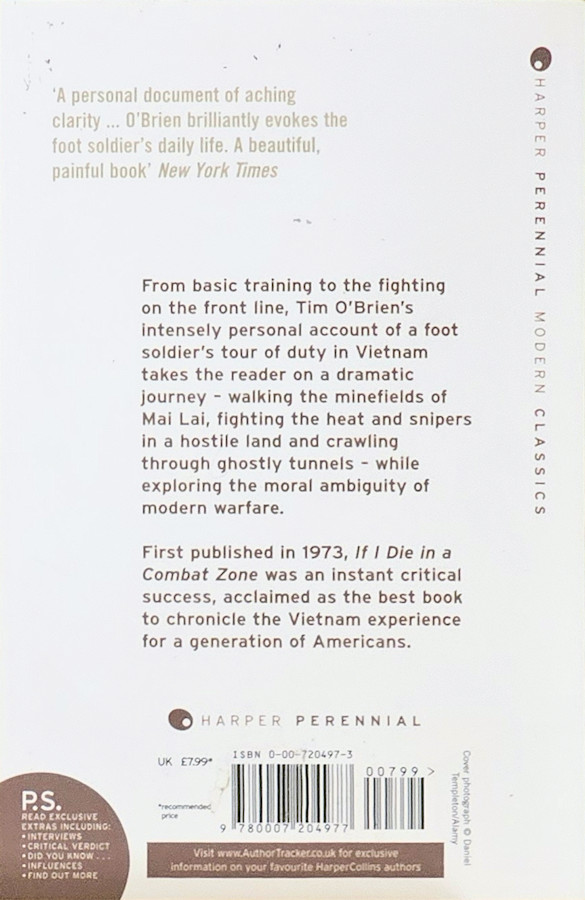
The book chronicles the author's experiences as an ordinary infantryman during the Vietnam War, exploring the psychological toll, moral ambiguity, and stark realities of a conflict he deeply opposed. The narrative follows O'Brien from his initial draft notice in his home state of Minnesota, through the grueling days of basic training, and onto his one-year tour of duty as a foot soldier. He recounts the sheer physical terror of navigating minefields (including the area around My Lai), dealing with sniper fire, and clearing out narrow, booby-trapped enemy tunnels. Unlike traditional war tales, this memoir focuses heavily on the philosophy of courage and the profound conflict of conscience. O'Brien details his intense internal debate over whether to flee to Canada as a draft dodger or submit to a war he viewed as unjust. Ultimately, he goes to war out of a fear of social embarrassment and family shame. Stuart's full song lyric reads: "I wait here in this hole / Playing poker with my soul / I hold the rifle close to me / It lights the way to keep me free / If I die in a combat zone / Box me up and ship me home / If I die and still come home / Lay me where the rose is sown." The song acts as an anti-war anthem that closely reflects the themes of O'Brien's memoir, centering on the grim reality of a foot soldier's experience rather than the romanticized view of conflict. Key Links and Shared Themes The Military Cadence: The lyric is adapted from a traditional WWII military cadence. O'Brien used it to show the contrast between military rhetoric and the harsh reality of war. Stuart uses the line similarly, injecting a harsh, realistic soldier's chant into a song about a young man realizing his country has misled him. The "Foxhole" Perspective: Both the book and the song focus on the individual soldier’s perspective. Stuart sets the scene in a physical hole, mimicking the intimate,, non-heroic viewpoint found in 'If I Die in a Combat Zone'. Disillusionment: While the song begins with a sense of duty, it quickly shifts to themes of skepticism and fear, paralleling O'Brien's own feelings about the war in Vietnam. Darkened Outlook: The lyrics emphasize a somber, desperate hope for a return home, even if only in death, reflecting a more cynical outlook than earlier, more optimistic Big Country songs. |