|
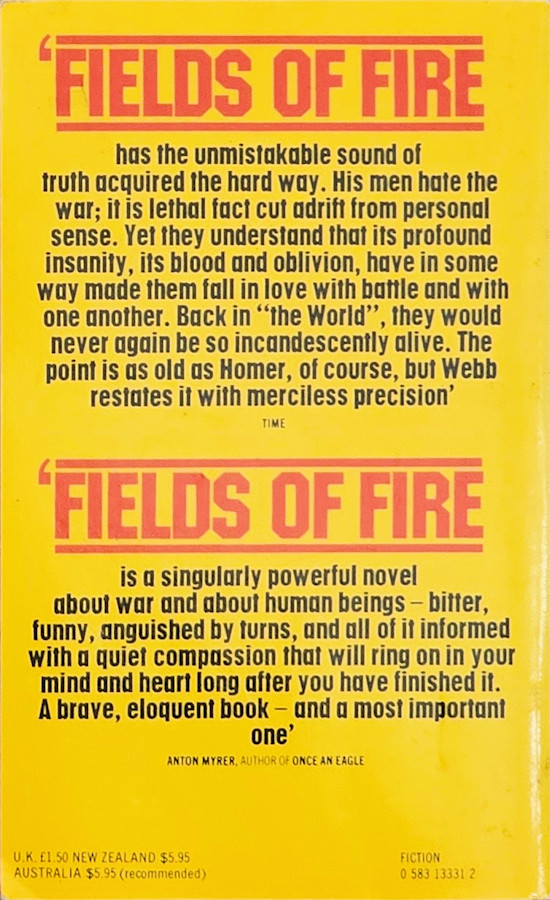
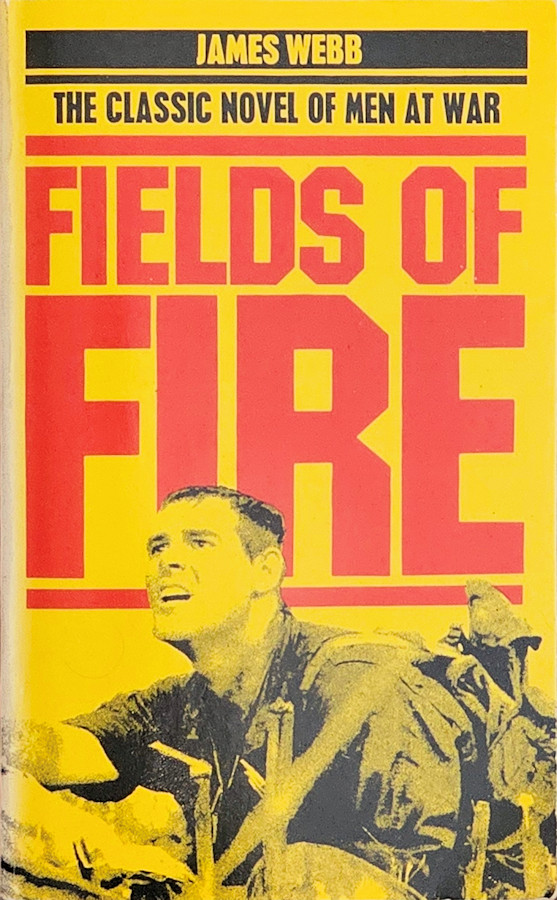
This is the fictional story about a Marine platoon in the Vietnam War, written by James Webb and first published in 1978,
which purportedly gave rise to the song of the same name on the album "The Crossing".
(Click thumbnails for full size images.) |
|
The book is a realistic novel focusing on the intense psychological and physical toll of the Vietnam War on a single Marine rifle platoon in the 1969 An Hoa Basin. The narrative explores themes of survival,
profound alienation, and the breakdown of morality under extreme combat conditions through characters like platoon commander Hodges, squad leader Snake, and the philosophical Goodrich.
Stuart was a voracious reader of gritty military literature, including Vietnam War texts like Michael Herr's "Dispatches" and Tim O'Brien's "If I Die in a Combat Zone" (see previous page). While he frequently deflected personal questions by telling the media the song was simply about a "train journey" or the 1982 Falklands War, the links to Webb's novel are woven into the song's themes. Key Links and Shared Themes The Military Definition: In warfare, a "field of fire" is the area that a weapon can effectively cover with gunfire from a given position. Both the book and the song use this terminology to frame an individual trapped in an exposed, highly perilous, and life-threatening environment. The Soldier's Departure and Anxiety: James Webb’s novel focuses heavily on the psychological transitions of Marines leaving their regular civilian lives behind to face the horrors of combat. Similarly, the opening lines of Big Country's track evoke a young person facing a daunting, structured transition into danger: "Between a father and a son / Between the city and the one / Before the teacher and the test / Before the journey and the rest." The Promise of Return: A central narrative tension in Webb's novel is whether the soldiers will survive the bush to make it back to their loved ones. The anthemic chorus of Adamson's song resolves this dread with a heroic vow to survive the gauntlet: "The house on fire holds no shame / But I will be coming home again." Deflection from Personal Trauma: Music historians note that Adamson used the epic, military-inspired imagery of Webb’s book as a creative shield. Borrowing the title allowed him to write an intensely personal song about his own anxieties regarding family separation, displacement, and vulnerability while masking it as a grand, cinematic war story. |